Parenting SkillsLiving with Teens
How my mom transformed my antics into teachable moments 🤔
Palmer Skudneski
| Palmer here. Just about every kid needs discipline, but some kids NEED discipline. I was in the NEED boat as I was a kid who saw it as a challenge to break just about every rule. |
| We use the word discipline vs punishment - here's why. 👇Discipline is not another word for punishment. Disciplining your kiddo means teaching them responsible behavior and self-control.The Latin origin of the word discipline is "to teach." The ultimate aim is to encourage your kid to learn to manage both their feelings and behavior. |
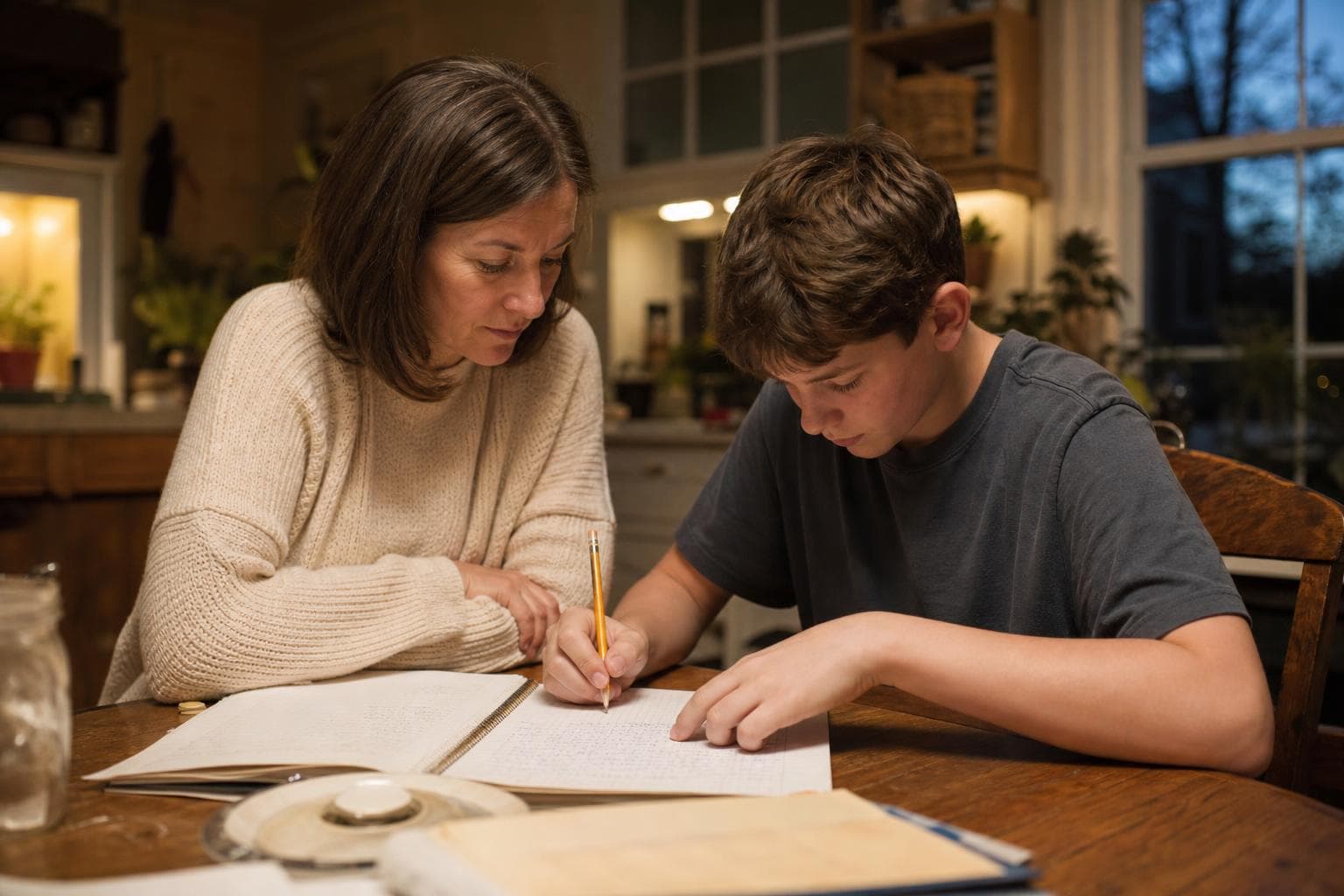
| This meant my mom spent a lot of time in territory that was a bit foreign to her, figuring out how to respond to a kid who was wired completely differently than she had been as a kid. She was more of a "typical" kid who got some discipline but nothing that came close to being in the "Misbehavior Hall of Fame." That spot in the museum was all mine. 😅 She had to figure out how on Earth she was going to discipline (AKA "teach") me to keep from falling off a cliff (literally and figuratively) while not destroying my spirit, and also setting up a foundation that allowed for the two of us to have a close and meaningful relationship. She worked to create a system that was not only meant to course correct my actions, but she also used those opportunities of my misbehaving to help me grow beyond what I was originally capable of. She used discipline as a way to bring new ideas, paths, or conversations into my life. Here are three examples of how she did this. While I strongly disliked these as a kid, I now find myself teaching my teen client's parents some of these tricks because they are effective and impactful: The alcohol interview 🍺 After catching me sneaking alcohol, my mom did not just ground me and call it a day. Instead, she had me reach out to and interview a therapist, a doctor, and a law enforcement officer about the dangers of underage drinking. I had to actually call these people, sit down with them, ask real questions, and listen to what they had to say. It was uncomfortable in the best possible way. I could not dismiss their answers the way I might have dismissed my mom lecturing me at the kitchen table. After the interviews, I had to write up what I learned in a short paper. By the end of it, I had learned far more than any grounding would have taught me, and I had done it through my own effort and curiosity rather than just sitting in my room waiting out a punishment. The lying book 📖 When I was in elementary school, I was caught lying. My mom did not yell, and she did not take away my favorite toy. She sat me down and told me I was going to write and illustrate a book about how lying could negatively impact my life and the lives of the people around me. I had to think through real scenarios, draw them out, and put them into words that made sense. It forced me to sit with the consequences of dishonesty in a way that felt tangible and personal, not abstract. Writing that little book made the lesson stick in a way that a timeout never would have. I still think about it. The apology letter that had to be earned ✏️ At some point in middle school, I got into a conflict with a classmate that crossed a line. My mom told me I needed to apologize, but she was not going to let me get away with a quick "sorry" in the hallway. She had me research what makes a genuine apology vs. a hollow one, and then write a real, thoughtful letter to the other kid. She reviewed a draft with me, asked me questions like "do you actually mean this?" and "what would you do differently next time?", and sent me back to revise it until it reflected real accountability. It was one of the most uncomfortable things she ever made me do. It was also one of the most valuable. Looking back, I can see what my mom was doing with all of these. She was not just trying to stop the bad behavior. She was using each situation as a doorway into a bigger conversation, a deeper skill, or a more complex way of thinking about the world. That is the difference between punishment and discipline. Punishment closes a door. Discipline opens one. |